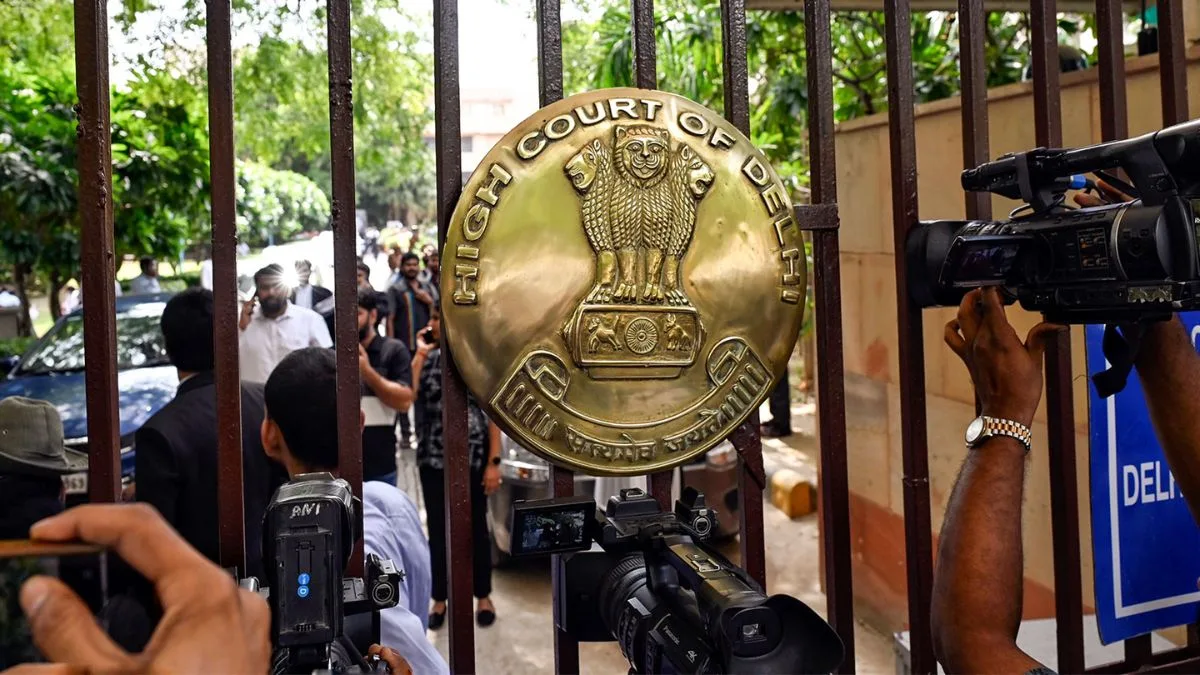
The Supreme Court on Friday dismissed a petition seeking a CBI investigation into alleged corruption and horse-trading in securing support during the trust vote won by the Tamilaga Vettri Kazhagam (TVK) government led by Chief Minister C. Joseph Vijay in the Tamil Nadu Assembly on May 13, 2026.
Rejecting the plea filed by Madurai resident K.K. Ramesh, a Bench comprising Chief Justice Surya Kant and Justice V. Mohana said the allegations were unsupported by any credible material and did not warrant its intervention.
Advertisement
“Dismissed. Plea is based on vague, wild and casual allegations without any reliable material on record. We see no ground to interfere,” the Bench said in its order dismissing the petition.
The petitioner alleged that although TVK emerged as the single largest party in the Assembly elections, it did not initially have the numbers required to form a stable government. According to the plea, TVK, which had 108 MLAs in the 234-member House, subsequently secured the support of Congress, CPI, CPI(M), VCK, IUML, a faction of rebel AIADMK legislators and the lone AMMK MLA, enabling the government to win the trust vote with the backing of 144 MLAs.
The petition alleged that support from legislators belonging to other parties was secured through inducements and that large sums of money had changed hands.
Appearing for the petitioner, advocate C.R. Jaya Sukin argued that defections and shifts in political allegiance were increasingly taking place across the country, either due to monetary considerations or coercion.
“In this country, party leaders are either indulging in corruption by giving bribes or threatening that family members will be hurt if they don’t join the party,” counsel submitted.
Questioning the basis of the allegations, Chief Justice Kant asked counsel to identify the State and political party he was referring to. “Which ruling party? In your State, parties keep changing,” the Chief Justice remarked.
Sukin responded that the phenomenon was not confined to any one State and referred to instances in different parts of the country where legislators allegedly switched political loyalties – a trend which was eroding democratic values.
The Court, however, remained unconvinced. Holding that no material had been placed on record to substantiate the allegations of corruption or horse-trading in the Tamil Nadu trust vote, it declined to order any investigation and dismissed the petition.